
AI Automation & Integration
Automation that removes the busywork, rather than creating more
Sales, marketing and technology that are thoughtfully converged and work in the same connected system make real automation possible; not a chatbot bolted onto a site.
What's included
- Automated first-response for enquiries, filtering and categorising before anything reaches a person
- Live reporting and dashboards, replacing an end-of-month pack with something that shows where a month is heading while there's still time to act
- AI search visibility work, so a business shows up in AI Overviews and assistant answers, not just traditional rankings
- Built on the same connected sales, marketing and technology stack behind everything else we run, not a chatbot bolted onto a site
Who it's for
Businesses fielding a steady flow of enquiries who are losing some of them to response time alone, or currently working from an end-of-month reporting pack instead of knowing where things stand while there's still time to act. This also covers AI search visibility, not just traditional rankings, since AI Overviews and chat assistants now answer a growing share of questions before a customer ever reaches a site.
Reducing admin rather than adding a layer of complexity
Instead of asking whether your business 'should use AI', it's more useful to ask whether specific, repetitive tasks (such as answering the same five questions by DM or chasing follow-ups) can be meaningfully removed rather than pushed somewhere else with an AI label attached to it.
It's an important distinction, because a lot of what gets sold as 'automation' is actually just 'relocation'. A chatbot that collects the same information as a form and hands it to a person to do the actual work has not removed anything. It's just added a layer between the customer and the answer they wanted and called it 'efficiency'. Genuine automation changes what a person has to do, not simply what a customer has to click through first.
Sales, marketing and the technology that harnesses both now sit close enough together that this kind of removal is realistic in a way it wasn't a few years ago. We cover this argument in full in how sales, marketing and technology are converging. Automation built on top of that convergence can now act on real customer data instead of a generic script. This makes the difference between something that helps and something that just causes a delay before a person has to get involved.
Automating without sounding automated
An automated first response can answer a customer in under 5 minutes, ask the necessary follow-up questions, categorise and filter an enquiry before it ever reaches a person without pretending to be something it's not. Most people don't mind automated responses as long as they feel like they are genuinely getting a better, faster experience than waiting for a real person. We cover this in full in our piece on automating enquiry response.
Most businesses fielding a steady flow of enquiries are already losing some of them to response time alone, since a customer comparing several options tends to book with whoever replies first regardless of who would ultimately have been the better fit. Automated first responses close that gap without requiring someone to be watching an inbox all day. Done properly, it provides the same information a person would offer and gives a genuinely useful reply, instead of a generic acknowledgement.
Visibility that used to require a whole department
The same connected systems that make automated enquiry responses possible also make live, granular reporting possible, replacing end-of-month spreadsheets with something that shows where a month is heading while there's still time to act. It's the same connected-systems argument covered in more depth in how sales, marketing and technology are converging.
This is the part of automation that gets talked about the least, and it's arguably the part that matters most. A business that can see conversion rate, lead volume and channel performance broken down to a granular level and updated live can intuitively pivot spend and decide what to change and what to leave alone based on information businesses relying on a monthly report simply don't have yet.
Visibility in AI search
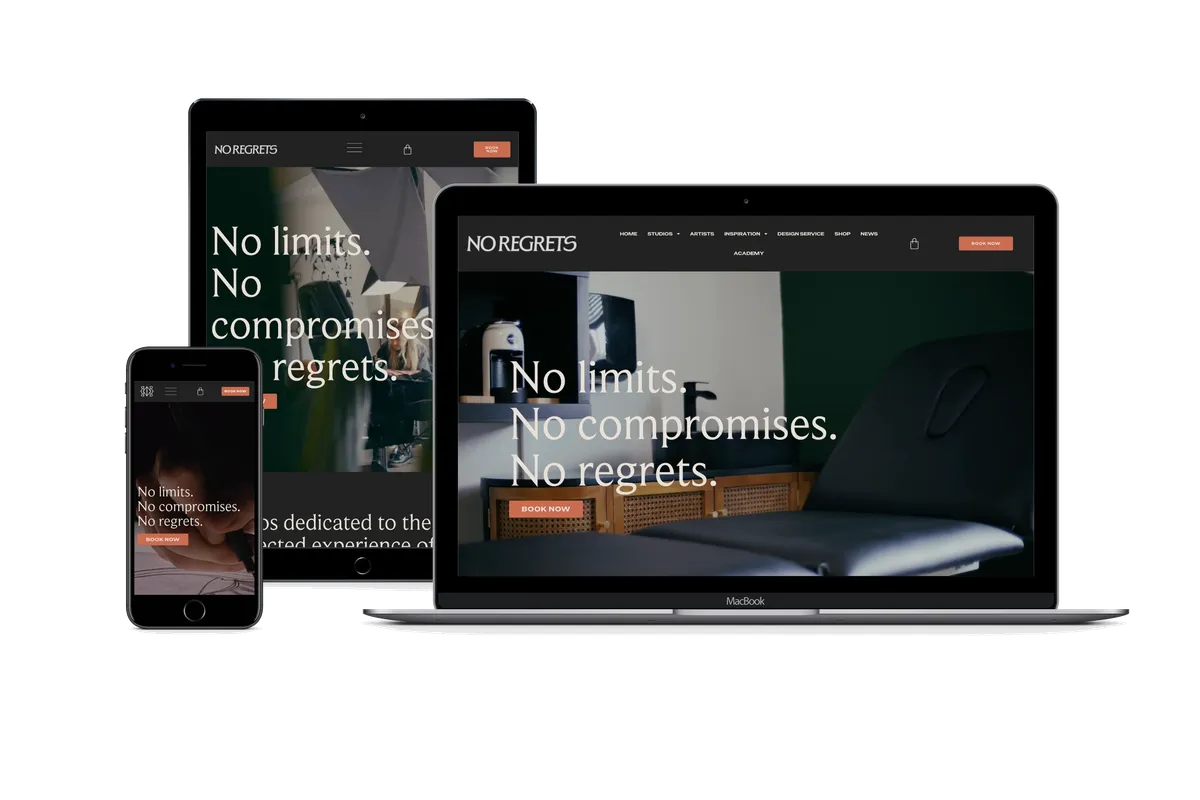
AI Overviews and chat-based search assistants now answer a growing share of definitional questions directly, before a customer ever clicks through to a site. This all changes what content is worth ranking for. Structured data and genuinely readable content, as well as first-party evidence (ie, real work, real detail, real specifics a generic competitor cannot copy) are what still earn a citation once the easy, definitional searches have already been answered elsewhere. This is covered in detail in our guide to getting cited in AI search, and in what an AI assistant sees on a booking site.
Visibility often comes down to technical basics. For example, content that only renders after JavaScript executes was always a poor choice for search visibility. It's now also invisible to a growing share of the tools answering questions on a business's behalf before a visitor ever reaches the site itself. Fixing that is rarely glamorous, but it's the most concrete, checkable work available in this whole area, which is perhaps why it gets skipped in favour of something that sounds more impressive.
Not sure where a site currently stands with any of this? Our free AI Visibility Check scores a page against the checks above, crawler access, structured data and citability, in a couple of minutes, with no obligation attached.
Why running at that scale changes what’s realistic
This is important to mention, because automation that has only ever run on a single small account behaves differently once volume and complexity increase, meaning problems that never show up in a demo tend to show up quickly at real operational scale. Tooling that has been put under real pressure is genuinely different from tooling that has only ever been tested in theory.
Proof point
This service is built on the same automation stack we used to run enquiry capture, follow-up and reporting across a twelve-location studio group over six years, tested at a scale most small businesses will never need to reach.
FAQs
Common questions
What's the difference between this and Marketing & Automation?
This is about an instant first response to enquiries, live reporting and AI search visibility - the systems that sit underneath everything else. Marketing & Automation is the email sequences, re-engagement flows and multi-channel campaigns built on top of that same connected system. They're built on the same platforms and pair naturally, but you don't need both to start.
Is this different from Web App Development?
Yes. This connects and configures existing platforms and connected systems to remove admin and improve visibility. Web App Development is completely custom software, built from scratch for the specific cases where what you need genuinely isn't something an existing platform can be configured to do.
Does an automated first response mean a customer never speaks to a real person?
No. It answers the initial questions and filters the enquiry before it reaches a person, changing what a person has to do rather than replacing them, so the enquiries that do reach someone are the ones genuinely worth their time.
What's the AI Visibility Check, and is it part of this service?
It's a free tool that scores a page against AI search visibility, crawler access, structured data and citability in a couple of minutes, with no obligation attached. It's a good starting point before any paid work, not something you need to buy this service to use.