
CRM Setup & Management
A CRM that genuinely enhances the way you work
Most CRMs get configured once and are abandoned within months because there is no one dedicated to maintaining them properly. Instead, we set up and manage your CRM on an ongoing basis, covering pipelines, automation sequences and data hygiene, so that your CRM remains a tool your business relies on rather than a wasteland of stale contacts.
What's included
- Initial setup and configuration truly aligned to how your business sells and follows up, not a generic template
- Pipeline design that reflects your real sales/booking process
- Automated sequences for follow-up, nurture and re-engagement
- Ongoing maintenance, because ownership of the system doesn't stop at handover
Who it's for
Businesses who've either never properly set up a CRM, or have one that's fallen into disuse. It's especially relevant if you're currently tracking leads and customers across spreadsheets, inboxes, or from memory - including booking-heavy businesses like tattoo studios and beauty clinics across Sheffield and Yorkshire.
Why do so many CRMs get abandoned within months?
Most CRMs don't fail because the software is bad. They fail because they're set up once, and left with nobody made responsible for keeping them working. Very quickly, pipelines stop reflecting how the business sells, so the team stops updating them. An automation breaks when something changes elsewhere, and nobody notices, so follow-ups quietly stop going out. Duplicate and out-of-date contacts build up until nobody trusts the data, and before long the team is back to tracking things in spreadsheets and inboxes, with the CRM still running (and still being paid for) in the background.
A CRM is only useful if it keeps matching how your business works as it changes, and if someone is responsible for its upkeep. This means someone checking that the automations are still running, as well as keeping your contacts up-to-date and adjusting your pipelines when your process changes. We take all this on for you, so that your CRM becomes something your team relies on every day.
How does a CRM setup run?
Mapping your process
Understanding how your business wins and books customers, from the first enquiry through to final payment. Everything we build is based on this, so that the CRM fits the way you work.
Pipelines and automation
Building pipelines that match each stage of your sales or booking process, along with the follow-ups and reminders that keep enquiries moving without anyone having to remember them.
Bringing your data across
Moving your existing contacts over from spreadsheets, inboxes or an older CRM, and clearing out duplicates and gaps along the way so you start with information you can trust.
Launch and handover to your team
Getting your team using the CRM day to day, with guidance on the parts they'll use most as a CRM is only as good as the information going into it.
Ongoing management
Looking after the system once it's live, including fixing anything that breaks, keeping your data clean and adjusting pipelines as your business changes.
CRM work for

What affects the cost of an ongoing CRM retainer?
We scope the cost of your CRM around how your business works, so it depends on a few key factors. We'll go through these with you before anything is agreed, so that you know what to expect:
Pipelines and locations
One pipeline for a single location is simpler to build and look after than several pipelines across multiple sites or teams.
Starting fresh or migrating
Moving from an existing CRM or from years of spreadsheets takes more work than starting with a clean system, mostly because of the data that needs migrating and tidying up.
Level of automation
A simple follow-up reminder is quicker to build and maintain than multi-step nurture sequences, confirmations and deposit handling.
Size of your team
The more people using the CRM each day, the more setup, guidance and permissions are needed to keep it working for everyone.
Which CRM do we use?
We build and manage CRMs on GoHighLevel, the same platform we used to run enquiries, bookings and customer communication across a 12-location tattoo studio group. We settled on it after trialling several other platforms for that group because it brings your pipelines, email, SMS, WhatsApp, bookings and payments together in one system. This means fewer separate tools to pay for and fewer connections that can break. It's a strong all-rounder, and for a small team that's far more beneficial than having the best possible tool for any single job, since a system that does slightly more but needs far more looking after doesn't save you any time in the end.
- GoHighLevel
Is your CRM working for you, or are you working around it?
Get in touch and we'll talk through what you're using now and what could change - it costs nothing and commits you to nothing.
Why is CRM management ongoing and not a one-off setup?
A CRM reflects how your business works, and successful businesses never stand still. You might add a new service, take on staff, open another location or change how you take deposits, and each of those changes needs to be reflected in your pipelines and automations. If nobody makes those updates, the CRM slowly separates itself from how things really run and ends up being abandoned.
Automations also rely on other tools behaving the same way they did when everything was set up. When a form, a calendar or a payment provider changes, an automation can stop working without any obvious sign, and the first you hear of it is a customer who never received a follow-up. Ongoing management means having someone responsible for checking that, fixing it quickly and keeping your data clean, so the system you've invested in keeps doing its job. It also means you have someone to go to whenever you want to change something, without having to learn the platform inside out yourself.
More from us at Millside Creative
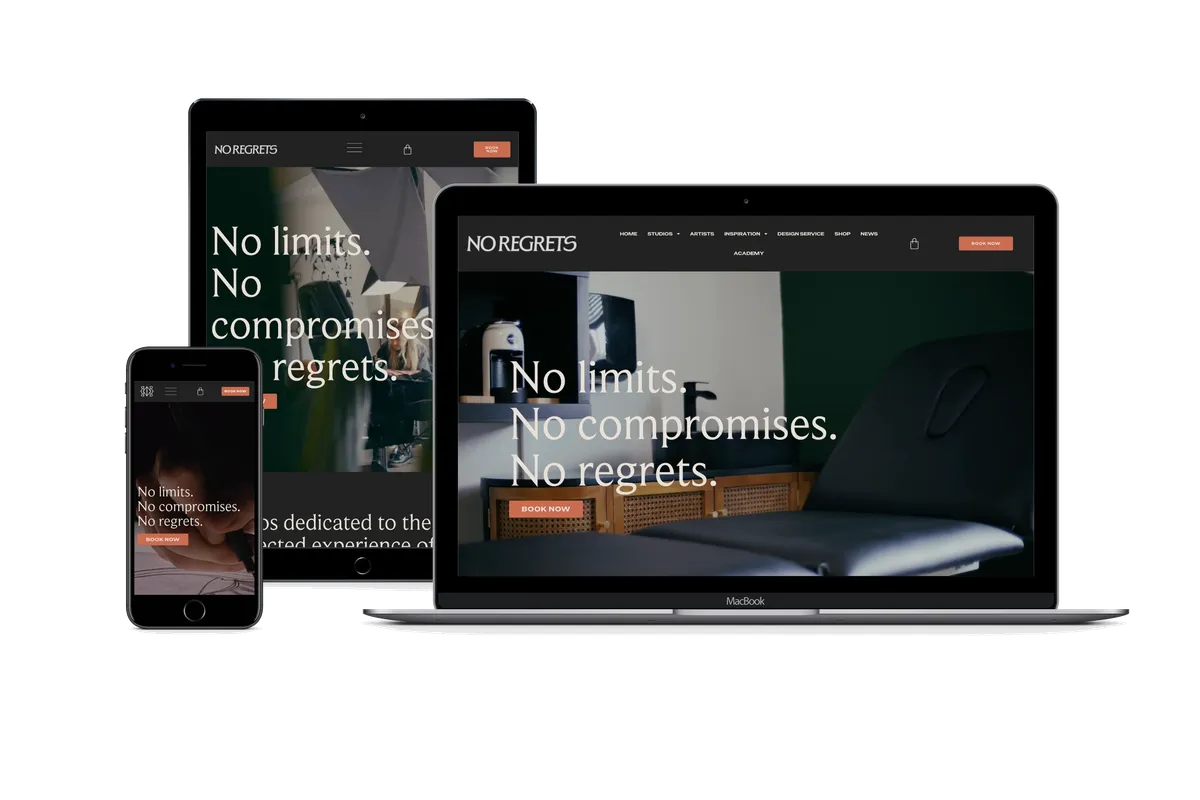
For the full story behind the CRM work mentioned on this page, the No Regrets CRM and automation chapter covers the platforms we trialled, what we built and the mistakes we made along the way, while the payments and deposits chapter looks at how deposits fit into the booking process. If you'd like your CRM to do more of the work, our Marketing & Automation service uses it to keep customers engaged over time, and AI Automation handles instant replies to new enquiries. And for booking-heavy businesses running more than one site, practitioner-level booking explains why the way your CRM records location is more important than most people think.
Proof point
Same depth of CRM ownership as the digital operations role run across a 12-location tattoo studio chain, covering booking flow, automation and multi-location customer communication, all built and maintained on GoHighLevel.
FAQs
Common questions
We already have a CRM, we just don't really use it. Can you fix that?
Yes, that's the more common starting point for this service than a completely blank setup: a CRM that's fallen into disuse gets rebuilt around pipelines and automation that reflect your real sales and follow-up process, not a generic template.
What platform do you use?
GoHighLevel, the same platform used to run CRM and customer communication across a 12-location tattoo studio chain.
Is this a one-off setup or ongoing?
Ongoing by default. Most CRMs fail because they're configured once and abandoned within months, so this includes continued maintenance instead of stopping at handover.
We're currently tracking leads in spreadsheets and email. Is that a normal starting point?
Yes, that's specifically who this service is aimed at, especially booking-heavy businesses juggling leads and customers across scattered tools.